
About Attention Deficit Hyperactivity Disorder (ADHD)
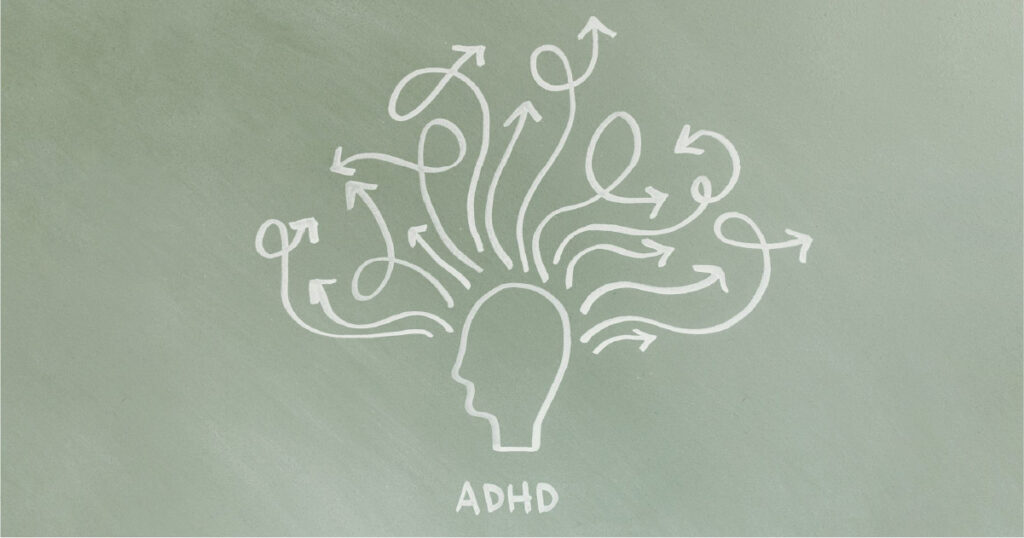
Attention-deficit/hyperactivity disorder (ADHD) is a disorder marked by an ongoing pattern of inattention and/or hyperactivity-impulsivity that interferes with functioning or development

Diffyg sylw
yn golygu bod person yn crwydro oddi ar y dasg, yn brin o ddyfalbarhad, yn cael anhawster cynnal ffocws, ac yn anhrefnus; ac nid yw'r problemau hyn oherwydd herfeiddiad na diffyg dealltwriaeth.
Byrbwylltra
yn golygu bod person yn gwneud gweithredoedd brysiog sy'n digwydd ar y pryd heb feddwl amdanynt yn gyntaf ac a allai fod â photensial uchel o niwed, neu awydd am wobrau ar unwaith neu anallu i ohirio boddhad.
Gall person byrbwyll fod yn ymwthiol yn gymdeithasol a thorri ar draws eraill yn ormodol neu wneud penderfyniadau pwysig heb ystyried y canlyniadau hirdymor.
Gorfywiogrwydd
yn golygu bod person yn ymddangos i symud o gwmpas yn gyson, gan gynnwys mewn sefyllfaoedd lle nad yw'n briodol; neu'n fidgetio, tapio neu siarad yn ormodol.
Mewn oedolion, gall fod yn aflonyddwch eithafol neu'n blino eraill gyda gweithgaredd cyson. Gall hefyd fod yn gysylltiedig â meddyliau rasio a theimladau mewnol o orfywiogrwydd ac aflonyddwch cysylltiedig.
Signs and Symptoms of ADHD
Inattention and hyperactivity/impulsivity are the key behaviours of ADHD. Some people with ADHD only have problems with one of the behaviours, while others have both inattention and hyperactivity-impulsivity, which is referred to as combined ADHD
Mae'n normal cael rhywfaint o ddiffyg sylw, gweithgaredd echddygol heb ffocws, ac ysgogiad, ond i bobl ag ADHD, y ymddygiadau hyn:
- yn fwy difrifol
- digwydd yn amlach
- ymyrryd â neu leihau ansawdd y ffordd maen nhw'n gweithredu'n gymdeithasol, yn yr ysgol, neu mewn swydd

Diffyg sylw
Gall pobl sydd â symptomau diffyg sylw yn aml:
- Overlook or miss details, make mistakes in schoolwork, at work, or during other activities
- Have problems sustaining attention in tasks, including conversations, lectures, or lengthy reading
- Ddim yn ymddangos yn gwrando pan siaradir â nhw'n uniongyrchol
- Not follow through on instructions and fail to finish schoolwork, chores, or duties in the workplace or start tasks but quickly lose focus and get easily sidetracked
- Cael problemau gyda threfnu tasgau a gweithgareddau, fel beth i'w wneud mewn dilyniant, cadw deunyddiau ac eiddo mewn trefn, cael gwaith anniben a rheoli amser gwael, a methu â chwrdd â therfynau amser
- Avoid or dislike tasks that require sustained mental effort, such as preparing reports, completing forms, or reviewing lengthy papers
- Lose things necessary for tasks or activities, such as books, tools, wallets, keys, paperwork, eyeglasses, and mobile phones
- Cael eich tynnu sylw'n hawdd gan feddyliau neu ysgogiadau digyswllt
- Bod yn anghofus mewn gweithgareddau dyddiol, fel tasgau, negeseuon, dychwelyd galwadau, a chadw apwyntiadau
Gorfywiogrwydd-Ympulsifedd
Gall pobl sydd â symptomau gorfywiogrwydd-ymchwyddoldeb yn aml:
- Fidget a throi yn eu seddi
- Gadael eu seddi mewn sefyllfaoedd pan ddisgwylir iddynt aros yn eu heistedd, fel yn yr ystafell ddosbarth neu'r swyddfa
- Rhedeg neu ruthro o gwmpas neu ddringo mewn sefyllfaoedd lle mae'n amhriodol neu, mewn pobl ifanc ac oedolion, yn aml yn teimlo'n aflonydd
- Be unable to engage in hobbies quietly
- Bod yn gyson mewn symudiad neu “ar y ffordd,” neu ymddwyn fel petaech yn cael eich “yrru gan fodur”
- Siaradwch yn ddi-baid
- Rhoi ateb allan yn sydyn cyn i gwestiwn gael ei gwblhau, gorffen brawddegau pobl eraill, neu siarad heb aros am dro mewn sgwrs
- Cael trafferth aros am ei dro
- Torri ar draws neu ymyrryd ar eraill, er enghraifft mewn sgyrsiau, gemau neu weithgareddau

Risk factors
Researchers are not sure what causes ADHD. Like many other conditions, several factors can contribute to ADHD, such as:
- Genynnau
- Ysmygu sigaréts, defnyddio alcohol, neu ddefnyddio cyffuriau yn ystod beichiogrwydd
- Amlygiad i docsinau amgylcheddol yn ystod beichiogrwydd
- Amlygiad i docsinau amgylcheddol, fel lefelau uchel o blwm, yn ifanc
- Pwysau geni isel
- Anafiadau i'r ymennydd
ADHD is more common in males than females, and females with ADHD are more likely to have problems primarily with inattention. Other conditions, such as learning disabilities, anxiety disorder, conduct disorder, depression, and substance abuse, are more common in people with ADHD.
Diagnosis of ADHD
Mae diagnosis o ADHD yn gofyn am asesiad cynhwysfawr gan glinigwr sydd â'r sgiliau priodol, fel seicolegydd, neu seiciatrydd sydd ag arbenigedd mewn ADHD.
For a person to receive a diagnosis of ADHD, the symptoms of inattention and/or hyperactivity-impulsivity must be chronic or long-lasting and impair the person’s functioning. The doctor will also ensure that any ADHD symptoms are not due to another medical or psychiatric condition. For an adolescent or adult to receive a diagnosis of ADHD, the symptoms need to have been present before age 12.

Gall symptomau ADHD ymddangos mor gynnar â rhwng 3 a 6 oed a gallant barhau trwy gydol llencyndod ac oedolaeth.
Gellir camgymryd symptomau ADHD am broblemau emosiynol neu ddisgyblaethol neu eu methu'n llwyr mewn plant tawel, sy'n ymddwyn yn dda, gan arwain at oedi cyn cael diagnosis. Gall oedolion ag ADHD heb ei ddiagnosio fod â hanes o berfformiad academaidd gwael, problemau yn y gwaith, neu berthnasoedd anodd neu aflwyddiannus.
Gall symptomau ADHD newid dros amser wrth i berson heneiddio.
In young children with ADHD, hyperactivity-impulsivity is the most predominant symptom. As a child reaches high school, the symptom of inattention may become more prominent and cause the child to struggle academically. In adolescence, hyperactivity seems to lessen and may show more often as feelings of restlessness or fidgeting, but inattention and impulsivity may remain. Many people with ADHD also struggle with relationships and antisocial behaviours. Inattention, restlessness, and impulsivity tend to persist into adulthood.
Triniaeth a Therapïau ADHD
While there is no cure for ADHD, currently available treatments can help reduce symptoms and improve functioning.
Treatments include medication, psychotherapy, education or training, or a combination of treatments.
Meddyginiaeth
I lawer o bobl, mae meddyginiaethau ADHD yn lleihau gorfywiogrwydd ac ysgogiad ac yn gwella eu gallu i ganolbwyntio, gweithio a dysgu. Gall meddyginiaeth hefyd wella cydlyniad corfforol. Weithiau rhaid rhoi cynnig ar sawl meddyginiaeth neu ddos gwahanol cyn dod o hyd i'r un cywir sy'n gweithio i berson penodol. Rhaid i unrhyw un sy'n cymryd meddyginiaethau gael ei fonitro'n agos ac yn ofalus gan y meddyg sy'n eu rhagnodi.

Symbylyddion
Y math mwyaf cyffredin o feddyginiaeth a ddefnyddir ar gyfer trin ADHD yw "symbylydd." Er y gall ymddangos yn anarferol trin ADHD gyda meddyginiaeth a ystyrir yn symbylydd, mae'n gweithio trwy gynyddu'r cemegau ymennydd dopamin a norepinephrine, sy'n chwarae rolau hanfodol mewn meddwl a sylw.
O dan oruchwyliaeth feddygol, ystyrir bod meddyginiaethau symbylydd yn ddiogel. Fodd bynnag, mae risgiau a sgîl-effeithiau, yn enwedig pan gânt eu camddefnyddio neu eu cymryd yn fwy na'r dos rhagnodedig. Er enghraifft, gall symbylyddion godi pwysedd gwaed a chyfradd y galon a chynyddu pryder. Felly, dylai person â phroblemau iechyd eraill, gan gynnwys pwysedd gwaed uchel, trawiadau, clefyd y galon, glawcoma, clefyd yr afu neu'r arennau, neu anhwylder pryder ddweud wrth ei feddyg cyn cymryd symbylydd.
Siaradwch â meddyg os gwelwch unrhyw un o'r rhain neu sgîl-effeithiau eraill wrth gymryd symbylyddion:
- llai o archwaeth
- problemau cysgu
- tics (symudiadau neu synau sydyn, ailadroddus)
- newidiadau personoliaeth
- mwy o bryder ac anniddigrwydd
- poenau stumog
- cur pen
Di-symbylyddion
Mae rhai meddyginiaethau ADHD eraill yn ddi-ysgogyddion. Mae'r meddyginiaethau hyn yn cymryd mwy o amser i ddechrau gweithio na symbylyddion, ond gallant hefyd wella ffocws, sylw ac ysgogiad mewn person ag ADHD. Gall meddygon ragnodi di-ysgogydd: pan fydd gan berson sgîl-effeithiau trafferthus o symbylyddion; pan nad oedd symbylydd yn effeithiol; neu mewn cyfuniad ag symbylydd i gynyddu effeithiolrwydd.
Antidepressants may help with the symptoms of ADHD and can be prescribed if a patient has bothersome side effects from stimulants. Antidepressants can be helpful in combination with stimulants if a patient also has another condition, such as an anxiety disorder, depression, or another mood disorder.
Doctors and patients can work together to find the best medication, dose, or medication combination. This is referred to as titration.
Seicotherapi ac Ymyriadau Seicogymdeithasol

Several specific psychosocial interventions have been shown to help patients and their families manage symptoms and improve everyday functioning.
In addition, children and adults with ADHD need guidance and understanding from their parents, families, colleagues and teachers to reach their full potential and to succeed.
For some frustration, blame, and anger may have built up within a family before a person is diagnosed. Families or individuals may need specialized help to overcome negative feelings. Mental health professionals can educate people about ADHD and how it affects a family. They also will help people develop new skills, attitudes, and ways of relating to each other.
Therapi ymddygiadol
Mae therapi ymddygiadol yn fath o seicotherapi sy'n anelu at helpu person i newid ei ymddygiad. Gallai gynnwys cymorth ymarferol, fel help i drefnu tasgau neu gwblhau gwaith ysgol, neu weithio trwy ddigwyddiadau anodd yn emosiynol.
Mae therapi ymddygiadol hefyd yn dysgu person sut i:
- monitro ei ymddygiad ei hun
- rhoi canmoliaeth neu wobrau i chi'ch hun am weithredu yn y ffordd a ddymunir, fel rheoli dicter neu feddwl cyn gweithredu
Yn dibynnu ar oedran y claf, gall rhieni, athrawon, neu aelodau o'r teulu hefyd roi adborth cadarnhaol neu negyddol ar gyfer rhai ymddygiadau a helpu i sefydlu rheolau clir, rhestrau tasgau, a threfnau strwythuredig eraill i helpu person i reoli ei ymddygiad.
Gall therapyddion hefyd ddysgu sgiliau cymdeithasol, fel sut i aros tro, rhannu, gofyn am help, neu ymateb i bryfocio. Gall dysgu darllen mynegiant wyneb a thôn llais pobl eraill, a sut i ymateb yn briodol, fod yn rhan o hyfforddiant sgiliau cymdeithasol hefyd.
Therapi ymddygiad gwybyddol
Gall therapi ymddygiad gwybyddol hefyd ddysgu technegau ymwybyddiaeth ofalgar, neu fyfyrdod, i berson. Mae person yn dysgu sut i fod yn ymwybodol o'i feddyliau a'i deimladau ei hun a sut i'w derbyn er mwyn gwella ffocws a chanolbwyntio.
Mae'r therapydd hefyd yn annog y person ag ADHD i addasu i'r newidiadau bywyd sy'n dod gyda thriniaeth, fel meddwl cyn gweithredu, neu wrthsefyll yr ysfa i gymryd risgiau diangen.
Therapi teuluol a phriodasol
Family and marital therapycan help family members and spouses find better ways to handle disruptive behaviours, to encourage behaviour changes, and improve interactions with the patient.
Grwpiau cymorth
Support groups can help people connect with others who have similar challenges and concerns. Groups often meet regularly to share frustrations and successes, to exchange information about recommended specialists and strategies, and to talk with experts…
Proses Ddiagnostig ADHD Skylight Psychiatry
Rydym yn darparu mwy o fanylion yn ein pecyn cofrestru ar gyfer pob claf sy'n cwblhau asesiad ADHD.
Below is a summary of the ADHD diagnostic pathway.

Cam 1 We gather information about you
ADHD assessments are detailed, so we collect information in different ways to understand your experiences and needs. Please tell us if there is anything that would make the assessment easier for you. We will do our best to make reasonable adjustments.
Cam 2 We follow national guidance
Your assessment follows NICE guidance and is carried out in line with recognised national standards.
Cam 3 You complete questionnaires and meet with a clinician
We gather information through questionnaires and a clinical assessment. This may include talking about your mental health, past history, physical health, social life, and day-to-day experiences (usually 1 appointment completed virtually)
Cam 4 We use recognised ADHD assessment tools
As part of the assessment, we use recognised diagnostic tools recommended in NICE guidance to support a thorough and accurate outcome.
Step 5 Experienced assessors review your information and provide you with an outcome
Your assessment is completed by a skilled and experienced clinician who regularly carries out ADHD diagnostic assessments. They will provide a diagnostic outcome at the end of your assessment in most cases. At times they may feel more information or further discussion is required within the clinical team. If this is the case, they will explain this to you. You will be contacted by email to confirm your diagnostic outcome once your assessment has been reviewed by a multi-disciplinary team.
Step 6 You receive your reports
In the weeks following your assessment you will receive a full report explaining the information gathered and how the diagnostic outcome was reached. We also provide a shorter version that will be shared with your referring GP and that you can choose to share with others.
Step 7 You access the post diagnostic support hub at your own time and pace.
A link will be sent to you, please keep this safe so you can access the resource and support hub at any time.
Step 8 We discuss treatment and next steps
Where appropriate, we can discuss treatment options, including medication. We may also work with your GP on shared care arrangements after treatment.