
About Attention Deficit Hyperactivity Disorder (ADHD)
Attention-deficit/hyperactivity disorder (ADHD) is a disorder marked by an ongoing pattern of inattention and/or hyperactivity-impulsivity that interferes with functioning or development

கவனக்குறைவு
அதாவது ஒரு நபர் பணியில் இருந்து விலகிச் செல்கிறார், விடாமுயற்சி இல்லாதவர், கவனத்தைத் தக்கவைத்துக்கொள்வதில் சிரமப்படுகிறார், ஒழுங்கற்றவர்; மேலும் இந்தப் பிரச்சினைகள் மீறுதலாலோ அல்லது புரிதல் இல்லாமையாலோ ஏற்படுவதில்லை.
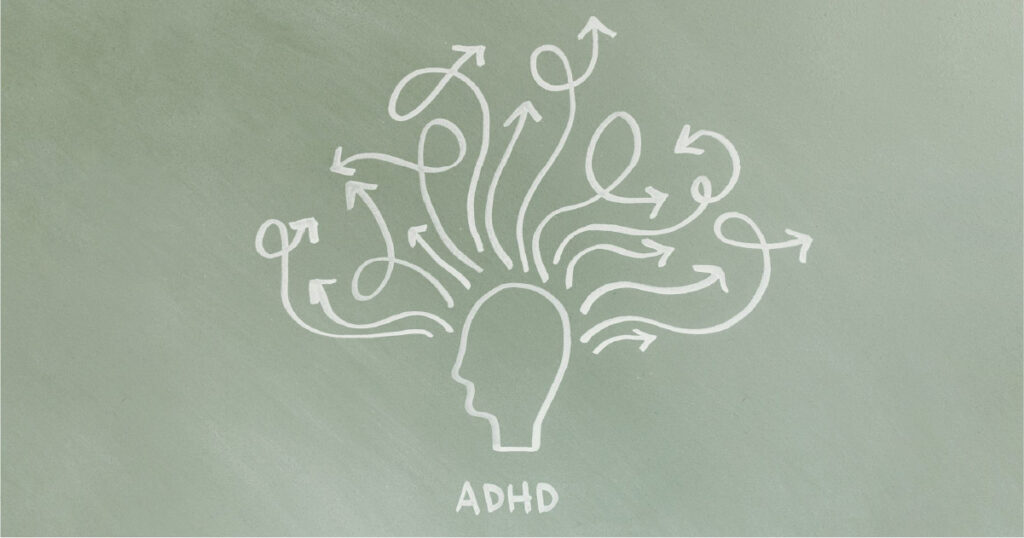
மனக்கிளர்ச்சி
அதாவது, ஒரு நபர் முதலில் யோசிக்காமல் அந்த நேரத்தில் நிகழும் அவசர செயல்களைச் செய்கிறார், மேலும் அவை தீங்கு விளைவிக்கும் அதிக ஆற்றலைக் கொண்டிருக்கலாம், அல்லது உடனடி வெகுமதிகளுக்கான ஆசை அல்லது மனநிறைவைத் தாமதப்படுத்த இயலாமை ஆகியவற்றைக் கொண்டிருக்கலாம்.
ஒரு மனக்கிளர்ச்சி கொண்ட நபர் சமூக ரீதியாக ஊடுருவக்கூடியவராகவும், மற்றவர்களை அதிகமாக குறுக்கிடக்கூடியவராகவும் அல்லது நீண்டகால விளைவுகளைக் கருத்தில் கொள்ளாமல் முக்கியமான முடிவுகளை எடுக்கக்கூடியவராகவும் இருக்கலாம்.
அதிவேகத்தன்மை
அதாவது, ஒரு நபர் தொடர்ந்து நடமாடுவது போல் தெரிகிறது, அது பொருத்தமற்ற சூழ்நிலைகள் உட்பட; அல்லது அதிகமாக அசைவது, தட்டுவது அல்லது பேசுவது.
பெரியவர்களில், இது தீவிர அமைதியின்மை அல்லது தொடர்ச்சியான செயல்பாடுகளால் மற்றவர்களை சோர்வடையச் செய்யும் அறிகுறியாக இருக்கலாம். இது துடிப்பான எண்ணங்கள் மற்றும் உள் உணர்வுகளான அதிவேகத்தன்மை மற்றும் அதனுடன் தொடர்புடைய அமைதியின்மை ஆகியவற்றுடனும் தொடர்புடையதாக இருக்கலாம்.
Signs and Symptoms of ADHD
Inattention and hyperactivity/impulsivity are the key behaviours of ADHD. Some people with ADHD only have problems with one of the behaviours, while others have both inattention and hyperactivity-impulsivity, which is referred to as combined ADHD
கவனக்குறைவு, கவனம் செலுத்தப்படாத மோட்டார் செயல்பாடு மற்றும் மனக்கிளர்ச்சி இருப்பது இயல்பானது, ஆனால் ADHD உள்ளவர்களுக்கு, இந்த நடத்தைகள்:
- மிகவும் கடுமையானவை
- அடிக்கடி ஏற்படும்
- சமூக ரீதியாக, பள்ளியில் அல்லது வேலையில் அவர்கள் எவ்வாறு செயல்படுகிறார்கள் என்பதன் தரத்தில் தலையிடுகிறார்கள் அல்லது குறைக்கிறார்கள்

கவனக்குறைவு
கவனக்குறைவு அறிகுறிகள் உள்ளவர்கள் பெரும்பாலும்:
- Overlook or miss details, make mistakes in schoolwork, at work, or during other activities
- Have problems sustaining attention in tasks, including conversations, lectures, or lengthy reading
- நேரடியாகப் பேசும்போது கேட்கத் தெரியவில்லை.
- Not follow through on instructions and fail to finish schoolwork, chores, or duties in the workplace or start tasks but quickly lose focus and get easily sidetracked
- பணிகளை ஒழுங்கமைப்பதில் சிக்கல்கள் உள்ளன, எடுத்துக்காட்டாக, என்ன செய்ய வேண்டும், பொருட்களையும் உடமைகளையும் ஒழுங்காக வைத்திருத்தல், வேலையில் குழப்பம் மற்றும் மோசமான நேர மேலாண்மை, மற்றும் காலக்கெடுவை பூர்த்தி செய்யத் தவறுதல்.
- Avoid or dislike tasks that require sustained mental effort, such as preparing reports, completing forms, or reviewing lengthy papers
- Lose things necessary for tasks or activities, such as books, tools, wallets, keys, paperwork, eyeglasses, and mobile phones
- தொடர்பில்லாத எண்ணங்கள் அல்லது தூண்டுதல்களால் எளிதில் திசைதிருப்பப்படுதல்
- வீட்டு வேலைகள், வேலைகள், அழைப்புகளுக்குப் பதில் அளித்தல் மற்றும் சந்திப்புகளை வைத்திருத்தல் போன்ற அன்றாட நடவடிக்கைகளில் மறதியுடன் இருங்கள்.
அதிவேகத்தன்மை-இயக்கமின்மை
மிகை-தூண்டுதல் அறிகுறிகள் உள்ளவர்கள் பெரும்பாலும்:
- தங்கள் இருக்கைகளில் அசைந்து, துள்ளிக் குதிக்கிறார்கள்
- வகுப்பறை அல்லது அலுவலகம் போன்ற இடங்களில் அமர்ந்திருக்க வேண்டிய சூழ்நிலைகளில் தங்கள் இருக்கைகளை விட்டுச் செல்லுங்கள்.
- பொருத்தமற்ற சூழ்நிலைகளில் ஓடுதல் அல்லது சுற்றித் திரிதல் அல்லது ஏறுதல் அல்லது டீனேஜர்கள் மற்றும் பெரியவர்களில், பெரும்பாலும் அமைதியற்றதாக உணருதல்.
- Be unable to engage in hobbies quietly
- தொடர்ந்து இயக்கத்தில் இருங்கள் அல்லது "பயணத்தில்" இருங்கள், அல்லது "மோட்டார் மூலம் இயக்கப்படுவது" போல் செயல்படுங்கள்.“
- இடைவிடாமல் பேசுங்கள்
- ஒரு கேள்வி முடிவதற்குள் பதிலை மழுங்கடிக்கவும், மற்றவர்களின் வாக்கியங்களை முடிக்கவும் அல்லது உரையாடலில் ஒரு திருப்பத்திற்காக காத்திருக்காமல் பேசவும்.
- அவரது முறைக்காக காத்திருப்பதில் சிக்கல் உள்ளது
- மற்றவர்களிடம் குறுக்கிடுதல் அல்லது தலையிடுதல், எடுத்துக்காட்டாக உரையாடல்கள், விளையாட்டுகள் அல்லது செயல்பாடுகளில்

Risk factors
Researchers are not sure what causes ADHD. Like many other conditions, several factors can contribute to ADHD, such as:
- மரபணுக்கள்
- கர்ப்ப காலத்தில் சிகரெட் புகைத்தல், மது அருந்துதல் அல்லது போதைப்பொருள் பயன்பாடு
- கர்ப்ப காலத்தில் சுற்றுச்சூழல் நச்சுகளுக்கு வெளிப்பாடு
- இளம் வயதிலேயே அதிக அளவு ஈயம் போன்ற சுற்றுச்சூழல் நச்சுக்களுக்கு ஆளாகுதல்.
- குறைந்த பிறப்பு எடை
- மூளை காயங்கள்
ADHD is more common in males than females, and females with ADHD are more likely to have problems primarily with inattention. Other conditions, such as learning disabilities, anxiety disorder, conduct disorder, depression, and substance abuse, are more common in people with ADHD.
Diagnosis of ADHD
ADHD நோயறிதலுக்கு, ஒரு உளவியலாளர் அல்லது ADHD இல் நிபுணத்துவம் பெற்ற மனநல மருத்துவர் போன்ற பொருத்தமான திறமையான மருத்துவரால் விரிவான மதிப்பீடு தேவைப்படுகிறது.
For a person to receive a diagnosis of ADHD, the symptoms of inattention and/or hyperactivity-impulsivity must be chronic or long-lasting and impair the person’s functioning. The doctor will also ensure that any ADHD symptoms are not due to another medical or psychiatric condition. For an adolescent or adult to receive a diagnosis of ADHD, the symptoms need to have been present before age 12.

ADHD அறிகுறிகள் 3 முதல் 6 வயது வரையிலான குழந்தைகளிடமே தோன்றி, இளமைப் பருவம் மற்றும் முதிர்வயது வரை தொடரலாம்.
அமைதியான, நல்ல நடத்தை கொண்ட குழந்தைகளில் ADHD அறிகுறிகள் உணர்ச்சி அல்லது ஒழுக்கப் பிரச்சினைகளாகத் தவறாகக் கருதப்படலாம் அல்லது முற்றிலும் கவனிக்கப்படாமல் போகலாம், இதனால் நோயறிதலில் தாமதம் ஏற்படலாம். கண்டறியப்படாத ADHD உள்ள பெரியவர்களுக்கு மோசமான கல்வி செயல்திறன், வேலையில் சிக்கல்கள் அல்லது கடினமான அல்லது தோல்வியுற்ற உறவுகள் இருக்கலாம்.
ஒரு நபர் வயதாகும்போது ADHD அறிகுறிகள் காலப்போக்கில் மாறக்கூடும்.
In young children with ADHD, hyperactivity-impulsivity is the most predominant symptom. As a child reaches high school, the symptom of inattention may become more prominent and cause the child to struggle academically. In adolescence, hyperactivity seems to lessen and may show more often as feelings of restlessness or fidgeting, but inattention and impulsivity may remain. Many people with ADHD also struggle with relationships and antisocial behaviours. Inattention, restlessness, and impulsivity tend to persist into adulthood.
ADHD சிகிச்சை மற்றும் சிகிச்சைகள்
While there is no cure for ADHD, currently available treatments can help reduce symptoms and improve functioning.
Treatments include medication, psychotherapy, education or training, or a combination of treatments.
மருந்து
பலருக்கு, ADHD மருந்துகள் அதிவேகத்தன்மை மற்றும் மனக்கிளர்ச்சியைக் குறைத்து, கவனம் செலுத்துதல், வேலை செய்தல் மற்றும் கற்றுக்கொள்ளும் திறனை மேம்படுத்துகின்றன. மருந்துகள் உடல் ஒருங்கிணைப்பையும் மேம்படுத்தக்கூடும். சில நேரங்களில் ஒரு குறிப்பிட்ட நபருக்கு ஏற்ற சரியான ஒன்றைக் கண்டுபிடிப்பதற்கு முன்பு பல மருந்துகள் அல்லது அளவுகளை முயற்சிக்க வேண்டும். மருந்துகளை உட்கொள்ளும் எவரும் தங்கள் பரிந்துரைக்கும் மருத்துவரால் நெருக்கமாகவும் கவனமாகவும் கண்காணிக்கப்பட வேண்டும்.

தூண்டுதல்கள்
ADHD சிகிச்சைக்கு பயன்படுத்தப்படும் மிகவும் பொதுவான மருந்து வகை "தூண்டுதல்" என்று அழைக்கப்படுகிறது. ADHD-க்கு ஒரு தூண்டுதலாகக் கருதப்படும் மருந்தைக் கொண்டு சிகிச்சையளிப்பது அசாதாரணமாகத் தோன்றினாலும், அது மூளையில் டோபமைன் மற்றும் நோர்பைன்ப்ரைன் என்ற இரசாயனங்களை அதிகரிப்பதன் மூலம் செயல்படுகிறது, அவை சிந்தனை மற்றும் கவனத்தில் முக்கிய பங்கு வகிக்கின்றன.
மருத்துவ மேற்பார்வையின் கீழ், தூண்டுதல் மருந்துகள் பாதுகாப்பானதாகக் கருதப்படுகின்றன. இருப்பினும், குறிப்பாக தவறாகப் பயன்படுத்தப்படும்போது அல்லது பரிந்துரைக்கப்பட்ட அளவை விட அதிகமாக எடுத்துக் கொள்ளும்போது ஆபத்துகளும் பக்க விளைவுகளும் உள்ளன. உதாரணமாக, தூண்டுதல்கள் இரத்த அழுத்தம் மற்றும் இதயத் துடிப்பை அதிகரிக்கும் மற்றும் பதட்டத்தை அதிகரிக்கும். எனவே, உயர் இரத்த அழுத்தம், வலிப்புத்தாக்கங்கள், இதய நோய், கிளௌகோமா, கல்லீரல் அல்லது சிறுநீரக நோய் அல்லது பதட்டக் கோளாறு உள்ளிட்ட பிற உடல்நலப் பிரச்சினைகள் உள்ள ஒருவர், தூண்டுதலை எடுத்துக்கொள்வதற்கு முன்பு தங்கள் மருத்துவரிடம் தெரிவிக்க வேண்டும்.
தூண்டுதல்களை எடுத்துக் கொள்ளும்போது இந்த அல்லது பிற பக்க விளைவுகளை நீங்கள் கண்டால் உங்கள் மருத்துவரிடம் பேசுங்கள்:
- பசி குறைந்தது
- தூக்க பிரச்சனைகள்
- நடுக்கங்கள் (திடீர், மீண்டும் மீண்டும் வரும் அசைவுகள் அல்லது ஒலிகள்)
- ஆளுமை மாற்றங்கள்
- அதிகரித்த பதட்டம் மற்றும் எரிச்சல்
- வயிற்று வலிகள்
- தலைவலி
தூண்டுதல் அல்லாதவை
வேறு சில ADHD மருந்துகள் தூண்டுதல்கள் அல்லாதவை. இந்த மருந்துகள் தூண்டுதல்களை விட வேலை செய்ய அதிக நேரம் எடுக்கும், ஆனால் ADHD உள்ள ஒருவருக்கு கவனம், கவனம் மற்றும் மனக்கிளர்ச்சியை மேம்படுத்தவும் முடியும். மருத்துவர்கள் தூண்டுதல் அல்லாத மருந்தை பரிந்துரைக்கலாம்: ஒரு நபருக்கு தூண்டுதல்களால் தொந்தரவான பக்க விளைவுகள் இருக்கும்போது; ஒரு தூண்டுதல் பயனுள்ளதாக இல்லாதபோது; அல்லது செயல்திறனை அதிகரிக்க ஒரு தூண்டுதலுடன் இணைந்து.
Antidepressants may help with the symptoms of ADHD and can be prescribed if a patient has bothersome side effects from stimulants. Antidepressants can be helpful in combination with stimulants if a patient also has another condition, such as an anxiety disorder, depression, or another mood disorder.
Doctors and patients can work together to find the best medication, dose, or medication combination. This is referred to as titration.
உளவியல் சிகிச்சை மற்றும் உளவியல் சமூக தலையீடுகள்

Several specific psychosocial interventions have been shown to help patients and their families manage symptoms and improve everyday functioning.
In addition, children and adults with ADHD need guidance and understanding from their parents, families, colleagues and teachers to reach their full potential and to succeed.
For some frustration, blame, and anger may have built up within a family before a person is diagnosed. Families or individuals may need specialized help to overcome negative feelings. Mental health professionals can educate people about ADHD and how it affects a family. They also will help people develop new skills, attitudes, and ways of relating to each other.
நடத்தை சிகிச்சை
நடத்தை சிகிச்சை என்பது ஒரு நபரின் நடத்தையை மாற்ற உதவுவதை நோக்கமாகக் கொண்ட ஒரு வகை உளவியல் சிகிச்சையாகும். பணிகளை ஒழுங்கமைக்க உதவுதல் அல்லது பள்ளிப் பாடங்களை முடித்தல் அல்லது உணர்ச்சி ரீதியாக கடினமான நிகழ்வுகளைச் சமாளித்தல் போன்ற நடைமுறை உதவி இதில் அடங்கும்.
நடத்தை சிகிச்சை ஒரு நபருக்கு பின்வருவனவற்றை எவ்வாறு செய்வது என்பதையும் கற்றுக்கொடுக்கிறது:
- அவரது சொந்த நடத்தையை கண்காணிக்கவும்
- கோபத்தைக் கட்டுப்படுத்துவது அல்லது செயல்படுவதற்கு முன் சிந்திப்பது போன்ற விரும்பிய வழியில் செயல்பட்டதற்காக தன்னைப் புகழ்ந்து அல்லது வெகுமதிகளைக் கொடுங்கள்.
நோயாளியின் வயதைப் பொறுத்து, பெற்றோர்கள், ஆசிரியர்கள் அல்லது குடும்ப உறுப்பினர்கள் சில நடத்தைகளுக்கு நேர்மறை அல்லது எதிர்மறையான கருத்துக்களை வழங்கலாம் மற்றும் ஒரு நபர் தனது நடத்தையை கட்டுப்படுத்த உதவும் தெளிவான விதிகள், வேலை பட்டியல்கள் மற்றும் பிற கட்டமைக்கப்பட்ட நடைமுறைகளை நிறுவ உதவலாம்.
சிகிச்சையாளர்கள் சமூகத் திறன்களையும் கற்பிக்கலாம், அதாவது எப்படி காத்திருப்பது, பகிர்ந்து கொள்வது, உதவி கேட்பது அல்லது கேலிக்கு பதிலளிப்பது போன்றவை. மற்றவர்களின் முகபாவனைகள் மற்றும் குரலின் தொனியைப் படிக்கக் கற்றுக்கொள்வது மற்றும் சரியான முறையில் எவ்வாறு பதிலளிப்பது என்பதும் சமூகத் திறன் பயிற்சியின் ஒரு பகுதியாக இருக்கலாம்.
அறிவாற்றல் நடத்தை சிகிச்சை
அறிவாற்றல் நடத்தை சிகிச்சை ஒருவருக்கு மன உறுதி நுட்பங்கள் அல்லது தியானத்தையும் கற்பிக்க முடியும். கவனம் மற்றும் செறிவை மேம்படுத்துவதற்காக ஒருவரின் சொந்த எண்ணங்கள் மற்றும் உணர்வுகளை எவ்வாறு அறிந்துகொள்வது மற்றும் ஏற்றுக்கொள்வது என்பதை ஒருவர் கற்றுக்கொள்கிறார்.
சிகிச்சையாளர் ADHD உள்ள நபரை சிகிச்சையுடன் வரும் வாழ்க்கை மாற்றங்களுக்கு ஏற்ப மாற்றிக் கொள்ள ஊக்குவிக்கிறார், உதாரணமாக செயல்படுவதற்கு முன் சிந்திப்பது அல்லது தேவையற்ற ஆபத்துக்களை எடுக்கும் தூண்டுதலை எதிர்ப்பது.
குடும்பம் மற்றும் திருமண சிகிச்சை
Family and marital therapycan help family members and spouses find better ways to handle disruptive behaviours, to encourage behaviour changes, and improve interactions with the patient.
ஆதரவு குழுக்கள்
Support groups can help people connect with others who have similar challenges and concerns. Groups often meet regularly to share frustrations and successes, to exchange information about recommended specialists and strategies, and to talk with experts…
ஸ்கைலைட் மனநல மருத்துவத்தின் ADHD நோயறிதல் செயல்முறை
ADHD மதிப்பீட்டை முடிக்கும் அனைத்து நோயாளிகளுக்கும் எங்கள் பதிவு தொகுப்பில் கூடுதல் விவரங்களை நாங்கள் வழங்குகிறோம்.
Below is a summary of the ADHD diagnostic pathway.

படி 1 We gather information about you
ADHD assessments are detailed, so we collect information in different ways to understand your experiences and needs. Please tell us if there is anything that would make the assessment easier for you. We will do our best to make reasonable adjustments.
படி 2 We follow national guidance
Your assessment follows NICE guidance and is carried out in line with recognised national standards.
படி 3 You complete questionnaires and meet with a clinician
We gather information through questionnaires and a clinical assessment. This may include talking about your mental health, past history, physical health, social life, and day-to-day experiences (usually 1 appointment completed virtually)
படி 4 We use recognised ADHD assessment tools
As part of the assessment, we use recognised diagnostic tools recommended in NICE guidance to support a thorough and accurate outcome.
Step 5 Experienced assessors review your information and provide you with an outcome
Your assessment is completed by a skilled and experienced clinician who regularly carries out ADHD diagnostic assessments. They will provide a diagnostic outcome at the end of your assessment in most cases. At times they may feel more information or further discussion is required within the clinical team. If this is the case, they will explain this to you. You will be contacted by email to confirm your diagnostic outcome once your assessment has been reviewed by a multi-disciplinary team.
Step 6 You receive your reports
In the weeks following your assessment you will receive a full report explaining the information gathered and how the diagnostic outcome was reached. We also provide a shorter version that will be shared with your referring GP and that you can choose to share with others.
Step 7 You access the post diagnostic support hub at your own time and pace.
A link will be sent to you, please keep this safe so you can access the resource and support hub at any time.
Step 8 We discuss treatment and next steps
Where appropriate, we can discuss treatment options, including medication. We may also work with your GP on shared care arrangements after treatment.