
About Attention Deficit Hyperactivity Disorder (ADHD)
Attention-deficit/hyperactivity disorder (ADHD) is a disorder marked by an ongoing pattern of inattention and/or hyperactivity-impulsivity that interferes with functioning or development

બેદરકારી
એટલે કે વ્યક્તિ કાર્યથી દૂર ભટકાય છે, દ્રઢતાનો અભાવ ધરાવે છે, ધ્યાન કેન્દ્રિત કરવામાં મુશ્કેલી અનુભવે છે અને અવ્યવસ્થિત છે; અને આ સમસ્યાઓ અવજ્ઞા અથવા સમજણના અભાવને કારણે નથી.
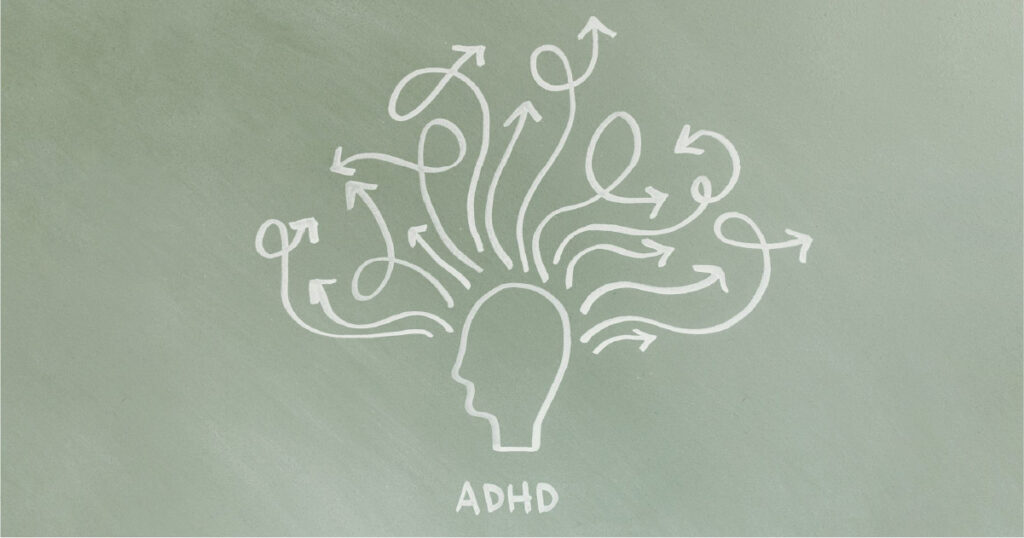
આવેગ
એટલે કે કોઈ વ્યક્તિ ઉતાવળમાં એવા કાર્યો કરે છે જે ક્ષણભરમાં થાય છે અને તેના વિશે પહેલા વિચાર્યા વિના થાય છે અને જેમાં નુકસાન થવાની સંભાવના વધુ હોય છે, અથવા તાત્કાલિક પુરસ્કારોની ઇચ્છા હોય છે અથવા સંતોષમાં વિલંબ કરવામાં અસમર્થતા હોય છે.
આવેગજન્ય વ્યક્તિ સામાજિક રીતે ઘુસણખોરી કરી શકે છે અને લાંબા ગાળાના પરિણામોને ધ્યાનમાં લીધા વિના અન્ય લોકોમાં વધુ પડતી દખલ કરી શકે છે અથવા મહત્વપૂર્ણ નિર્ણયો લઈ શકે છે.
હાયપરએક્ટિવિટી
એટલે કે વ્યક્તિ સતત ફરતી રહેતી હોય તેવું લાગે છે, જેમાં એવી પરિસ્થિતિઓનો પણ સમાવેશ થાય છે જેમાં તે યોગ્ય નથી; અથવા વધુ પડતું બેચેન થવું, ટપકા મારવા અથવા બોલવું.
પુખ્ત વયના લોકોમાં, તે અતિશય બેચેની અથવા સતત પ્રવૃત્તિથી બીજાઓને થાકી શકે છે. તે દોડતા વિચારો અને અતિસક્રિયતાની આંતરિક લાગણીઓ અને સંકળાયેલ બેચેની સાથે પણ સંબંધિત હોઈ શકે છે.
Signs and Symptoms of ADHD
Inattention and hyperactivity/impulsivity are the key behaviours of ADHD. Some people with ADHD only have problems with one of the behaviours, while others have both inattention and hyperactivity-impulsivity, which is referred to as combined ADHD
થોડી બેદરકારી, ધ્યાન કેન્દ્રિત ન કરનારી ગતિવિધિ અને આવેગ હોવો સામાન્ય છે, પરંતુ ADHD ધરાવતા લોકો માટે, આ વર્તણૂકો:
- વધુ ગંભીર છે
- વધુ વાર થાય છે
- સામાજિક રીતે, શાળામાં અથવા નોકરીમાં તેઓ કેવી રીતે કાર્ય કરે છે તેની ગુણવત્તામાં દખલ કરે છે અથવા ઘટાડો કરે છે.

બેદરકારી
બેદરકારીના લક્ષણો ધરાવતા લોકો ઘણીવાર:
- Overlook or miss details, make mistakes in schoolwork, at work, or during other activities
- Have problems sustaining attention in tasks, including conversations, lectures, or lengthy reading
- સીધી વાત કરવામાં આવે ત્યારે સાંભળતો નથી લાગતો
- Not follow through on instructions and fail to finish schoolwork, chores, or duties in the workplace or start tasks but quickly lose focus and get easily sidetracked
- કાર્યો અને પ્રવૃત્તિઓનું આયોજન કરવામાં સમસ્યાઓ, જેમ કે ક્રમમાં શું કરવું, સામગ્રી અને સામાન વ્યવસ્થિત રાખવો, અવ્યવસ્થિત કામ અને ખરાબ સમય વ્યવસ્થાપન, અને સમયમર્યાદા પૂરી કરવામાં નિષ્ફળતા.
- Avoid or dislike tasks that require sustained mental effort, such as preparing reports, completing forms, or reviewing lengthy papers
- Lose things necessary for tasks or activities, such as books, tools, wallets, keys, paperwork, eyeglasses, and mobile phones
- અસંબંધિત વિચારો અથવા ઉત્તેજનાથી સરળતાથી વિચલિત થાઓ
- રોજિંદા પ્રવૃત્તિઓમાં ભૂલી જવું, જેમ કે ઘરકામ, કામકાજ, ફોન પર વાત કરવી અને એપોઇન્ટમેન્ટ રાખવી.
હાયપરએક્ટિવિટી-ઇમ્પલ્સિવિટી
હાયપરએક્ટિવિટી-ઇમ્પલ્સિવિટીના લક્ષણો ધરાવતા લોકો ઘણીવાર:
- પોતાની સીટ પર બેઠેલા બેઠેલા બેઠેલા બેઠેલા બેઠેલા
- વર્ગખંડમાં કે ઓફિસમાં, જ્યાં બેસી રહેવાની અપેક્ષા હોય ત્યાં પોતાની બેઠકો છોડી દો.
- એવી પરિસ્થિતિઓમાં દોડવું, દોડવું કે ચઢવું જ્યાં તે અયોગ્ય હોય અથવા કિશોરો અને પુખ્ત વયના લોકો ઘણીવાર બેચેની અનુભવે છે
- Be unable to engage in hobbies quietly
- સતત ગતિમાં રહો અથવા "સફરમાં" રહો, અથવા "મોટર દ્વારા ચલાવવામાં આવે તેવું વર્તન કરો"“
- સતત વાત કરો
- પ્રશ્ન પૂરો થાય તે પહેલાં જવાબ સ્પષ્ટ રીતે કહી દો, બીજા લોકોના વાક્યો પૂરા કરો, અથવા વાતચીતમાં વળાંક આવે તેની રાહ જોયા વિના બોલો.
- પોતાના વારાની રાહ જોવામાં મુશ્કેલી પડે છે
- બીજાઓને અવરોધે છે અથવા તેમના પર દખલ કરે છે, ઉદાહરણ તરીકે વાતચીત, રમતો અથવા પ્રવૃત્તિઓમાં

Risk factors
Researchers are not sure what causes ADHD. Like many other conditions, several factors can contribute to ADHD, such as:
- જનીનો
- ગર્ભાવસ્થા દરમિયાન સિગારેટ પીવી, દારૂ પીવો અથવા ડ્રગનો ઉપયોગ કરવો
- ગર્ભાવસ્થા દરમિયાન પર્યાવરણીય ઝેરી તત્વોનો સંપર્ક
- નાની ઉંમરે પર્યાવરણીય ઝેરી તત્વો, જેમ કે સીસાનું ઉચ્ચ સ્તર, ના સંપર્કમાં આવવું
- જન્મ સમયે ઓછું વજન
- મગજની ઇજાઓ
ADHD is more common in males than females, and females with ADHD are more likely to have problems primarily with inattention. Other conditions, such as learning disabilities, anxiety disorder, conduct disorder, depression, and substance abuse, are more common in people with ADHD.
Diagnosis of ADHD
ADHD ના નિદાન માટે યોગ્ય કુશળ ક્લિનિશિયન, જેમ કે મનોવિજ્ઞાની, અથવા ADHD માં કુશળતા ધરાવતા મનોચિકિત્સક દ્વારા વ્યાપક મૂલ્યાંકનની જરૂર છે.
For a person to receive a diagnosis of ADHD, the symptoms of inattention and/or hyperactivity-impulsivity must be chronic or long-lasting and impair the person’s functioning. The doctor will also ensure that any ADHD symptoms are not due to another medical or psychiatric condition. For an adolescent or adult to receive a diagnosis of ADHD, the symptoms need to have been present before age 12.

ADHD ના લક્ષણો 3 થી 6 વર્ષની ઉંમરે દેખાઈ શકે છે અને કિશોરાવસ્થા અને પુખ્તાવસ્થા સુધી ચાલુ રહી શકે છે.
ADHD ના લક્ષણોને ભાવનાત્મક અથવા શિસ્ત સમસ્યાઓ તરીકે ભૂલથી સમજી શકાય છે અથવા શાંત, સારા વર્તનવાળા બાળકોમાં સંપૂર્ણપણે અવગણી શકાય છે, જેના કારણે નિદાનમાં વિલંબ થાય છે. નિદાન ન થયેલ ADHD ધરાવતા પુખ્ત વયના લોકોમાં નબળા શૈક્ષણિક પ્રદર્શન, કામ પર સમસ્યાઓ અથવા મુશ્કેલ અથવા નિષ્ફળ સંબંધોનો ઇતિહાસ હોઈ શકે છે.
વ્યક્તિની ઉંમર વધવાની સાથે ADHD ના લક્ષણો સમય જતાં બદલાઈ શકે છે.
In young children with ADHD, hyperactivity-impulsivity is the most predominant symptom. As a child reaches high school, the symptom of inattention may become more prominent and cause the child to struggle academically. In adolescence, hyperactivity seems to lessen and may show more often as feelings of restlessness or fidgeting, but inattention and impulsivity may remain. Many people with ADHD also struggle with relationships and antisocial behaviours. Inattention, restlessness, and impulsivity tend to persist into adulthood.
ADHD સારવાર અને ઉપચાર
While there is no cure for ADHD, currently available treatments can help reduce symptoms and improve functioning.
Treatments include medication, psychotherapy, education or training, or a combination of treatments.
દવા
ઘણા લોકો માટે, ADHD દવાઓ હાયપરએક્ટિવિટી અને આવેગ ઘટાડે છે અને ધ્યાન કેન્દ્રિત કરવાની, કામ કરવાની અને શીખવાની તેમની ક્ષમતામાં સુધારો કરે છે. દવા શારીરિક સંકલનમાં પણ સુધારો કરી શકે છે. કેટલીકવાર કોઈ ચોક્કસ વ્યક્તિ માટે યોગ્ય દવા શોધતા પહેલા ઘણી અલગ અલગ દવાઓ અથવા ડોઝ અજમાવવા પડે છે. દવાઓ લેતી કોઈપણ વ્યક્તિનું તેમના પ્રિસ્ક્રાઇબર ડૉક્ટર દ્વારા નજીકથી અને કાળજીપૂર્વક નિરીક્ષણ કરવું જોઈએ.

ઉત્તેજકો
ADHD ની સારવાર માટે વપરાતી સૌથી સામાન્ય દવાને "ઉત્તેજક" કહેવામાં આવે છે. જોકે ADHD ની સારવાર માટે ઉત્તેજક ગણાતી દવાનો ઉપયોગ અસામાન્ય લાગે છે, તે મગજના રસાયણો ડોપામાઇન અને નોરેપીનેફ્રાઇનને વધારીને કાર્ય કરે છે, જે વિચાર અને ધ્યાન કેન્દ્રિત કરવામાં મહત્વપૂર્ણ ભૂમિકા ભજવે છે.
તબીબી દેખરેખ હેઠળ, ઉત્તેજક દવાઓ સલામત માનવામાં આવે છે. જોકે, તેના જોખમો અને આડઅસરો છે, ખાસ કરીને જ્યારે તેનો દુરુપયોગ કરવામાં આવે અથવા નિર્ધારિત માત્રા કરતાં વધુ માત્રામાં લેવામાં આવે. ઉદાહરણ તરીકે, ઉત્તેજકો બ્લડ પ્રેશર અને હૃદયના ધબકારા વધારી શકે છે અને ચિંતા વધારી શકે છે. તેથી, હાઈ બ્લડ પ્રેશર, હુમલા, હૃદય રોગ, ગ્લુકોમા, લીવર અથવા કિડની રોગ, અથવા ચિંતા વિકાર સહિત અન્ય સ્વાસ્થ્ય સમસ્યાઓ ધરાવતી વ્યક્તિએ ઉત્તેજક લેતા પહેલા તેમના ડૉક્ટરને જણાવવું જોઈએ.
જો તમને ઉત્તેજકો લેતી વખતે આમાંથી કોઈ અથવા અન્ય આડઅસર દેખાય તો ડૉક્ટર સાથે વાત કરો:
- ભૂખ ઓછી લાગવી
- ઊંઘની સમસ્યાઓ
- ટીક્સ (અચાનક, પુનરાવર્તિત હલનચલન અથવા અવાજો)
- વ્યક્તિત્વમાં ફેરફાર
- વધેલી ચિંતા અને ચીડિયાપણું
- પેટનો દુખાવો
- માથાનો દુખાવો
બિન-ઉત્તેજક
કેટલીક અન્ય ADHD દવાઓ ઉત્તેજકો વગરની હોય છે. આ દવાઓ ઉત્તેજકો કરતાં કામ કરવાનું શરૂ કરવામાં વધુ સમય લે છે, પરંતુ ADHD ધરાવતી વ્યક્તિમાં ધ્યાન, ધ્યાન અને આવેગ પણ સુધારી શકે છે. ડૉક્ટરો બિન-ઉત્તેજક લખી શકે છે: જ્યારે કોઈ વ્યક્તિને ઉત્તેજકોથી કંટાળાજનક આડઅસરો હોય; જ્યારે ઉત્તેજક અસરકારક ન હોય; અથવા અસરકારકતા વધારવા માટે ઉત્તેજક સાથે સંયોજનમાં.
Antidepressants may help with the symptoms of ADHD and can be prescribed if a patient has bothersome side effects from stimulants. Antidepressants can be helpful in combination with stimulants if a patient also has another condition, such as an anxiety disorder, depression, or another mood disorder.
Doctors and patients can work together to find the best medication, dose, or medication combination. This is referred to as titration.
મનોરોગ ચિકિત્સા અને મનોસામાજિક હસ્તક્ષેપો

Several specific psychosocial interventions have been shown to help patients and their families manage symptoms and improve everyday functioning.
In addition, children and adults with ADHD need guidance and understanding from their parents, families, colleagues and teachers to reach their full potential and to succeed.
For some frustration, blame, and anger may have built up within a family before a person is diagnosed. Families or individuals may need specialized help to overcome negative feelings. Mental health professionals can educate people about ADHD and how it affects a family. They also will help people develop new skills, attitudes, and ways of relating to each other.
વર્તણૂકીય ઉપચાર
બિહેવિયરલ થેરાપી એ એક પ્રકારની મનોરોગ ચિકિત્સા છે જેનો હેતુ વ્યક્તિને તેના વર્તનમાં ફેરફાર કરવામાં મદદ કરવાનો છે. તેમાં વ્યવહારુ સહાયનો સમાવેશ થઈ શકે છે, જેમ કે કાર્યોનું આયોજન કરવામાં અથવા શાળાનું કાર્ય પૂર્ણ કરવામાં મદદ કરવી, અથવા ભાવનાત્મક રીતે મુશ્કેલ ઘટનાઓમાંથી પસાર થવું.
વર્તણૂકીય ઉપચાર વ્યક્તિને કેવી રીતે કરવું તે પણ શીખવે છે:
- પોતાના વર્તન પર નજર રાખો
- ઇચ્છિત રીતે કાર્ય કરવા બદલ પોતાને પ્રશંસા અથવા પુરસ્કાર આપો, જેમ કે ગુસ્સાને કાબૂમાં રાખવું અથવા અભિનય કરતા પહેલા વિચારવું.
દર્દીની ઉંમરના આધારે, માતાપિતા, શિક્ષકો અથવા પરિવારના સભ્યો ચોક્કસ વર્તણૂકો માટે સકારાત્મક અથવા નકારાત્મક પ્રતિસાદ આપી શકે છે અને વ્યક્તિને તેના વર્તનને નિયંત્રિત કરવામાં મદદ કરવા માટે સ્પષ્ટ નિયમો, કામકાજની યાદીઓ અને અન્ય માળખાગત દિનચર્યાઓ સ્થાપિત કરવામાં મદદ કરી શકે છે.
ચિકિત્સકો સામાજિક કૌશલ્યો પણ શીખવી શકે છે, જેમ કે વારો કેવી રીતે રાહ જોવી, શેર કરવું, મદદ માંગવી, અથવા ચીડવવાનો જવાબ આપવો. અન્ય લોકોના ચહેરાના હાવભાવ અને અવાજનો સ્વર વાંચવાનું શીખવું, અને યોગ્ય રીતે કેવી રીતે પ્રતિક્રિયા આપવી તે પણ સામાજિક કૌશલ્ય તાલીમનો ભાગ બની શકે છે.
જ્ઞાનાત્મક વર્તણૂકીય ઉપચાર
જ્ઞાનાત્મક વર્તણૂકીય ઉપચાર વ્યક્તિને માઇન્ડફુલનેસ તકનીકો અથવા ધ્યાન પણ શીખવી શકે છે. વ્યક્તિ શીખે છે કે ધ્યાન અને એકાગ્રતા સુધારવા માટે પોતાના વિચારો અને લાગણીઓ પ્રત્યે જાગૃત રહેવું અને સ્વીકારવું.
ચિકિત્સક ADHD ધરાવતી વ્યક્તિને સારવાર સાથે આવતા જીવનમાં આવતા ફેરફારોને અનુરૂપ થવા માટે પણ પ્રોત્સાહિત કરે છે, જેમ કે કાર્ય કરતા પહેલા વિચારવું, અથવા બિનજરૂરી જોખમો લેવાની ઇચ્છાનો પ્રતિકાર કરવો.
કૌટુંબિક અને વૈવાહિક ઉપચાર
Family and marital therapycan help family members and spouses find better ways to handle disruptive behaviours, to encourage behaviour changes, and improve interactions with the patient.
સપોર્ટ જૂથો
Support groups can help people connect with others who have similar challenges and concerns. Groups often meet regularly to share frustrations and successes, to exchange information about recommended specialists and strategies, and to talk with experts…
સ્કાયલાઇટ મનોચિકિત્સા ADHD ડાયગ્નોસ્ટિક પ્રક્રિયા
ADHD આકારણી પૂર્ણ કરી રહેલા બધા દર્દીઓ માટે અમે અમારા નોંધણી પેકમાં વધુ વિગતો પ્રદાન કરીએ છીએ.
Below is a summary of the ADHD diagnostic pathway.

પગલું 1 We gather information about you
ADHD assessments are detailed, so we collect information in different ways to understand your experiences and needs. Please tell us if there is anything that would make the assessment easier for you. We will do our best to make reasonable adjustments.
પગલું 2 We follow national guidance
Your assessment follows NICE guidance and is carried out in line with recognised national standards.
પગલું 3 You complete questionnaires and meet with a clinician
We gather information through questionnaires and a clinical assessment. This may include talking about your mental health, past history, physical health, social life, and day-to-day experiences (usually 1 appointment completed virtually)
પગલું 4 We use recognised ADHD assessment tools
As part of the assessment, we use recognised diagnostic tools recommended in NICE guidance to support a thorough and accurate outcome.
Step 5 Experienced assessors review your information and provide you with an outcome
Your assessment is completed by a skilled and experienced clinician who regularly carries out ADHD diagnostic assessments. They will provide a diagnostic outcome at the end of your assessment in most cases. At times they may feel more information or further discussion is required within the clinical team. If this is the case, they will explain this to you. You will be contacted by email to confirm your diagnostic outcome once your assessment has been reviewed by a multi-disciplinary team.
Step 6 You receive your reports
In the weeks following your assessment you will receive a full report explaining the information gathered and how the diagnostic outcome was reached. We also provide a shorter version that will be shared with your referring GP and that you can choose to share with others.
Step 7 You access the post diagnostic support hub at your own time and pace.
A link will be sent to you, please keep this safe so you can access the resource and support hub at any time.
Step 8 We discuss treatment and next steps
Where appropriate, we can discuss treatment options, including medication. We may also work with your GP on shared care arrangements after treatment.