
About Attention Deficit Hyperactivity Disorder (ADHD)
Attention-deficit/hyperactivity disorder (ADHD) is a disorder marked by an ongoing pattern of inattention and/or hyperactivity-impulsivity that interferes with functioning or development

注意力不集中
是指一个人游离于任务之外、缺乏毅力、难以持续集中注意力、条理不清;而这些问题并不是由于违抗或缺乏理解力造成的。.
冲动
是指一个人在没有经过深思熟虑的情况下就做出草率的行为,这种行为可能会造成很大的伤害,或者是指一个人渴望立即得到回报或无法延迟满足。.
冲动的人可能会对社交产生干扰,过度打断他人的谈话,或者在做出重要决定时不考虑长远后果。.
多动症
指一个人似乎不停地走来走去,包括在不适当的情况下;或过度烦躁、敲击或说话。.
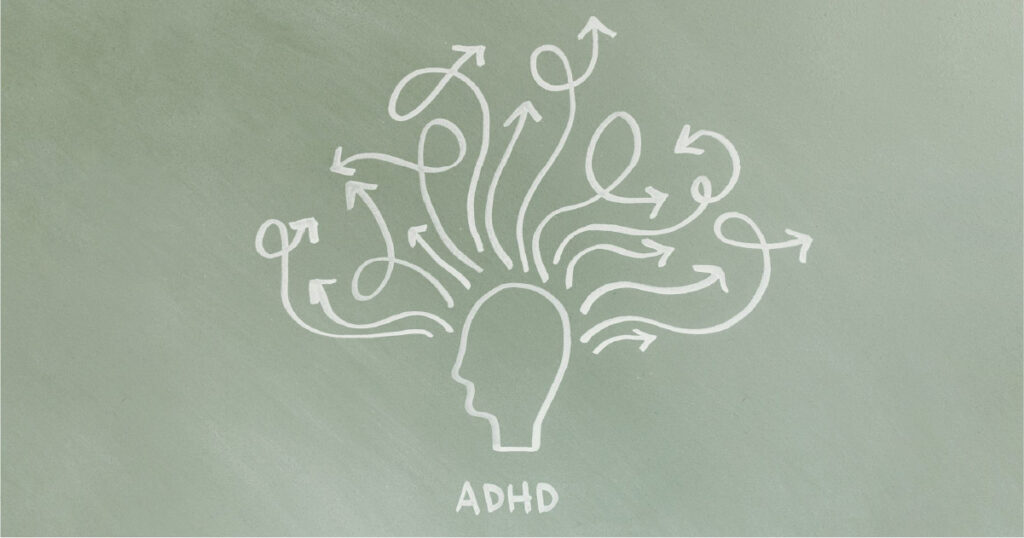
在成年人中,它可能是极度不安或因持续活动而使他人疲惫不堪。它还可能与思维奔逸、内心感觉亢奋以及相关的坐立不安有关。.
Signs and Symptoms of ADHD
Inattention and hyperactivity/impulsivity are the key behaviours of ADHD. Some people with ADHD only have problems with one of the behaviours, while others have both inattention and hyperactivity-impulsivity, which is referred to as combined ADHD
注意力不集中、运动不集中和冲动是正常现象,但对于多动症患者来说,这些行为都是正常的:
- 更严重
- 多发
- 影响或降低他们在社交、学校或工作中发挥作用的质量

注意力不集中
有注意力不集中症状的人通常会
- Overlook or miss details, make mistakes in schoolwork, at work, or during other activities
- Have problems sustaining attention in tasks, including conversations, lectures, or lengthy reading
- 似乎不愿意听别人直接说话
- Not follow through on instructions and fail to finish schoolwork, chores, or duties in the workplace or start tasks but quickly lose focus and get easily sidetracked
- 在安排任务和活动时遇到困难,例如不知道该按顺序做什么,材料和物品摆放不整齐,工作杂乱无章,时间管理不善,不能按时完成任务。
- Avoid or dislike tasks that require sustained mental effort, such as preparing reports, completing forms, or reviewing lengthy papers
- Lose things necessary for tasks or activities, such as books, tools, wallets, keys, paperwork, eyeglasses, and mobile phones
- 容易被无关的想法或刺激分心
- 在日常活动中健忘,如做家务、跑腿、回电话和遵守约会等
过度活跃-冲动
有多动冲动症状的人通常可能会
- 在座位上坐立不安
- 在课堂或办公室等要求保持坐姿的场合离开座位
- 在不适当的情况下跑来跑去或爬上爬下,或者青少年和成年人经常感到坐立不安
- Be unable to engage in hobbies quietly
- 不断运动或 “奔跑”,或表现得像 “由马达驱动 ”一样”
- 说个不停
- 问题还没问完就脱口而出答案,接别人的话,或在对话中不等轮到自己就说话
- 在等待轮到自己时遇到困难
- 打断或打扰他人,例如在谈话、游戏或活动中

Risk factors
Researchers are not sure what causes ADHD. Like many other conditions, several factors can contribute to ADHD, such as:
- 基因
- 怀孕期间吸烟、酗酒或吸毒
- 孕期接触环境毒素
- 年幼时接触环境毒素,如高浓度铅
- 出生体重不足
- 脑损伤
ADHD is more common in males than females, and females with ADHD are more likely to have problems primarily with inattention. Other conditions, such as learning disabilities, anxiety disorder, conduct disorder, depression, and substance abuse, are more common in people with ADHD.
Diagnosis of ADHD
诊断多动症需要由具备适当技能的临床医生(如心理学家或具备多动症专业知识的精神科医生)进行全面评估。.
For a person to receive a diagnosis of ADHD, the symptoms of inattention and/or hyperactivity-impulsivity must be chronic or long-lasting and impair the person’s functioning. The doctor will also ensure that any ADHD symptoms are not due to another medical or psychiatric condition. For an adolescent or adult to receive a diagnosis of ADHD, the symptoms need to have been present before age 12.

多动症的症状最早可在 3-6 岁时出现,并可持续到青春期和成年期。.
多动症的症状可能被误认为是情绪或纪律问题,或者在安静、乖巧的儿童身上被完全遗漏,从而导致诊断延误。未确诊的成人多动症患者可能有学习成绩差、工作问题、人际关系困难或失败的历史。.
多动症的症状会随着年龄的增长而变化。.
In young children with ADHD, hyperactivity-impulsivity is the most predominant symptom. As a child reaches high school, the symptom of inattention may become more prominent and cause the child to struggle academically. In adolescence, hyperactivity seems to lessen and may show more often as feelings of restlessness or fidgeting, but inattention and impulsivity may remain. Many people with ADHD also struggle with relationships and antisocial behaviours. Inattention, restlessness, and impulsivity tend to persist into adulthood.
多动症治疗和疗法
While there is no cure for ADHD, currently available treatments can help reduce symptoms and improve functioning.
Treatments include medication, psychotherapy, education or training, or a combination of treatments.
药物
对许多人来说,ADHD 药物可以减少多动和冲动,提高他们集中注意力、工作和学习的能力。药物还可以改善身体协调能力。有时必须尝试几种不同的药物或剂量,才能找到适合特定患者的药物。任何服药者都必须接受处方医生的密切和仔细监测。.

兴奋剂
治疗多动症最常用的药物被称为 “兴奋剂”。虽然用被视为兴奋剂的药物来治疗多动症似乎不太寻常,但它是通过增加大脑中的化学物质多巴胺和去甲肾上腺素来发挥作用的,而这两种物质在思维和注意力方面起着至关重要的作用。.
在医生的指导下,兴奋剂药物被认为是安全的。然而,这种药物也存在风险和副作用,尤其是在滥用或超量服用的情况下。例如,兴奋剂会升高血压和心率,增加焦虑。因此,有其他健康问题(包括高血压、癫痫发作、心脏病、青光眼、肝脏或肾脏疾病或焦虑症)的人在服用兴奋剂前应告知医生。.
如果您在服用兴奋剂时发现上述副作用或其他副作用,请咨询医生:
- 食欲下降
- 睡眠问题
- 抽搐(突然、重复的动作或声音)
- 人格改变
- 更加焦虑和烦躁
- 胃疼
- 头痛
非兴奋剂
其他几种多动症药物是非兴奋剂。这些药物开始起效的时间比兴奋剂长,但也能改善多动症患者的专注力、注意力和冲动性。医生可能会在以下情况下给患者开非兴奋剂:兴奋剂的副作用令人烦恼;兴奋剂无效;或与兴奋剂联合使用以提高疗效。.
Antidepressants may help with the symptoms of ADHD and can be prescribed if a patient has bothersome side effects from stimulants. Antidepressants can be helpful in combination with stimulants if a patient also has another condition, such as an anxiety disorder, depression, or another mood disorder.
Doctors and patients can work together to find the best medication, dose, or medication combination. This is referred to as titration.
心理治疗和社会心理干预

Several specific psychosocial interventions have been shown to help patients and their families manage symptoms and improve everyday functioning.
In addition, children and adults with ADHD need guidance and understanding from their parents, families, colleagues and teachers to reach their full potential and to succeed.
For some frustration, blame, and anger may have built up within a family before a person is diagnosed. Families or individuals may need specialized help to overcome negative feelings. Mental health professionals can educate people about ADHD and how it affects a family. They also will help people develop new skills, attitudes, and ways of relating to each other.
行为疗法
行为疗法是一种旨在帮助患者改变行为的心理疗法。它可能涉及实际帮助,如帮助安排任务或完成学校作业,或帮助度过情绪上的难关。.
行为疗法还教人如何:
- 监督自己的行为
- 对自己的行为进行表扬或奖励,比如控制愤怒或先思考后行动
根据患者的年龄,父母、老师或家庭成员也可以对患者的某些行为给予积极或消极的反馈,并帮助患者制定明确的规则、家务清单和其他有条理的常规,以帮助患者控制自己的行为。.
治疗师还可以教授社交技能,如如何轮候、分享、请求帮助或应对戏弄。学会察言观色、察言观色、察言观色、察言观色、察言观色、察言观色、察言观色、察言观色、察言观色、察言观色、察言观色等也是社交技能训练的一部分。.
认知行为疗法
认知行为疗法还可以教人正念技巧或冥想。患者可以学习如何意识到并接受自己的想法和感受,从而提高注意力和集中力。.
治疗师还鼓励多动症患者适应治疗带来的生活变化,例如先思考再行动,或克制冒不必要风险的冲动。.
家庭和婚姻治疗
Family and marital therapycan help family members and spouses find better ways to handle disruptive behaviours, to encourage behaviour changes, and improve interactions with the patient.
支持小组
Support groups can help people connect with others who have similar challenges and concerns. Groups often meet regularly to share frustrations and successes, to exchange information about recommended specialists and strategies, and to talk with experts…
天窗精神病学的多动症诊断程序
我们会在登记包中为所有完成多动症评估的患者提供更多详细信息。.
Below is a summary of the ADHD diagnostic pathway.

步骤 1 We gather information about you
ADHD assessments are detailed, so we collect information in different ways to understand your experiences and needs. Please tell us if there is anything that would make the assessment easier for you. We will do our best to make reasonable adjustments.
步骤 2 We follow national guidance
Your assessment follows NICE guidance and is carried out in line with recognised national standards.
步骤 3 You complete questionnaires and meet with a clinician
We gather information through questionnaires and a clinical assessment. This may include talking about your mental health, past history, physical health, social life, and day-to-day experiences (usually 1 appointment completed virtually)
步骤 4 We use recognised ADHD assessment tools
As part of the assessment, we use recognised diagnostic tools recommended in NICE guidance to support a thorough and accurate outcome.
Step 5 Experienced assessors review your information and provide you with an outcome
Your assessment is completed by a skilled and experienced clinician who regularly carries out ADHD diagnostic assessments. They will provide a diagnostic outcome at the end of your assessment in most cases. At times they may feel more information or further discussion is required within the clinical team. If this is the case, they will explain this to you. You will be contacted by email to confirm your diagnostic outcome once your assessment has been reviewed by a multi-disciplinary team.
Step 6 You receive your reports
In the weeks following your assessment you will receive a full report explaining the information gathered and how the diagnostic outcome was reached. We also provide a shorter version that will be shared with your referring GP and that you can choose to share with others.
Step 7 You access the post diagnostic support hub at your own time and pace.
A link will be sent to you, please keep this safe so you can access the resource and support hub at any time.
Step 8 We discuss treatment and next steps
Where appropriate, we can discuss treatment options, including medication. We may also work with your GP on shared care arrangements after treatment.